Cross-correlation analysis of exoplanets with MIRI
Upcoming analysis as part of JWST programs: GO 3647 for the planet GJ 504b, and GO 4829 for the HR 8799 system.
These are on-going studies, feel free to reach out if you want to know more about the application of cross-correlation methods,
such as molecular mapping, to detect and characterize directly imaged giant planets with MIRI/MRS.
We are also working on a PSF-subtraction method adapted for integral field spectrographs to enhance MIRI/MRS performance and directly extract exoplanetary spectra,
exempt from stellar contamination
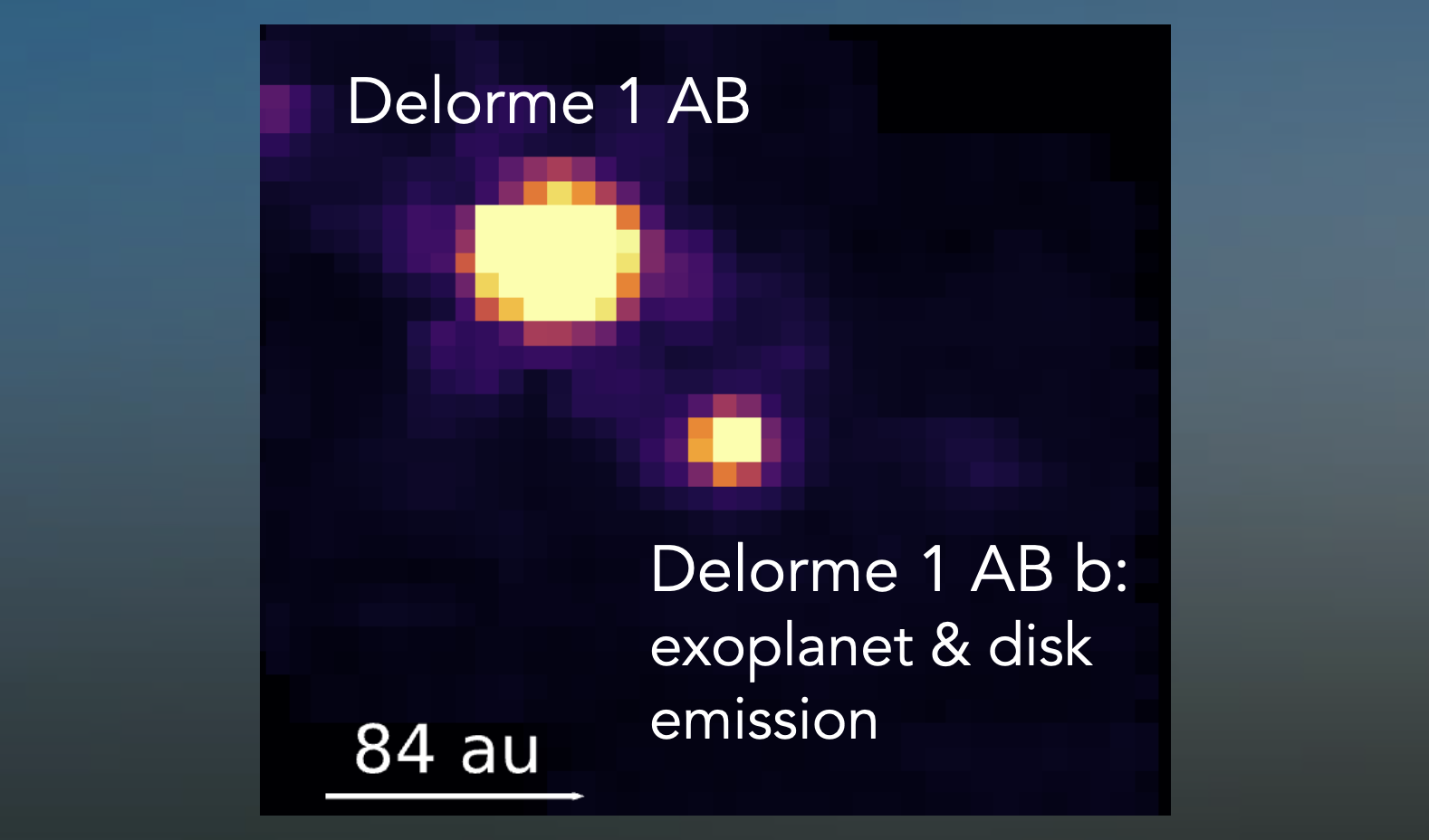
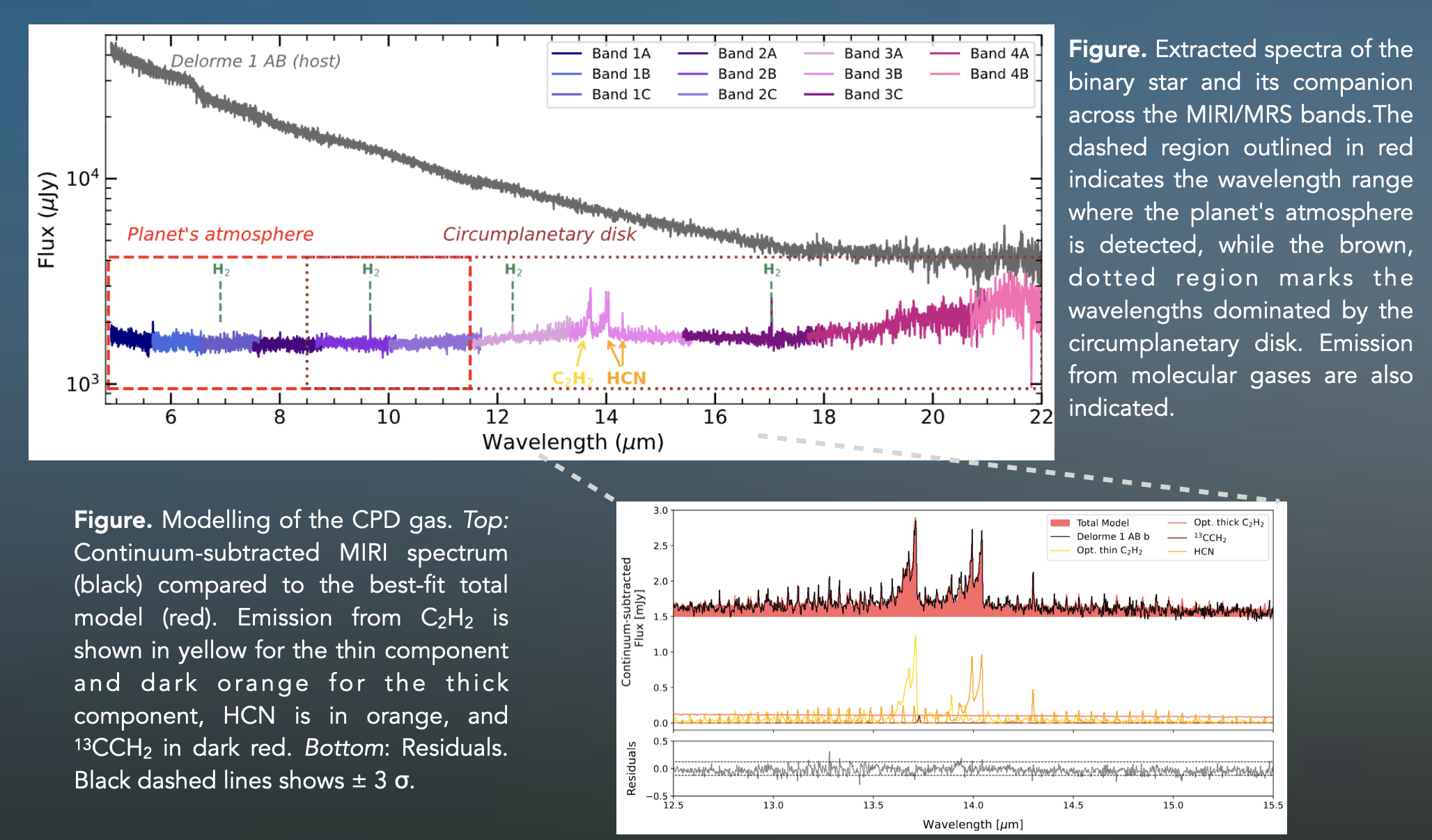
Medium-resolution spectroscopy reveals a carbon-rich circumplanetary disk around the young accreting exoplanet Delorme 1 AB b
Preprint
Young accreting planetary-mass objects are thought to draw material from circumplanetary disks composed of gas and dust.
While the gas within such disks is expected to disperse within the first million years, strong accretion has nonetheless been detected in older systems
— including the 30–45 Myr-old planetary-mass companion Delorme 1 AB b, which we observed with JWST MIRI (JWST-TST High Contrast, GTO 2778).
Using forward modeling, we derived its atmospheric parameters and found an effective temperature of Teff = 1725 ± 134 K.
To achieve a satisfactory fit to the observed specrum, a secondary component is required, consistent with thermal emission from a circumplanetary disk (CPD),
characterized by a blackbody temperature of Tbb = 295 ± 27 K and an effective radius of Rbb = 18.8 ± 2.7 RJup.
Beyond 10 μm, the spectral energy distribution becomes dominated by this circumplanetary disk rather than the planet itself.
We detect strong emission from HCN and C2H2, along with tentative evidence for the isotopologue 13CCH2, while no O-bearing species such as CO, CO2, or H2O are observed in the CPD spectrum.
This indicates that the gas in the CPD has an elevated C/O ratio.
We also identify spatially extended H2 emission around the planet, tracing warm gas outflows that can be interpreted as disk winds.
The study of these long-lived “Peter Pan” disks will enhance our understanding of how accretion persists in evolved low-mass systems and shed light on their formation, longevity, and evolutionary pathways within planetary systems.
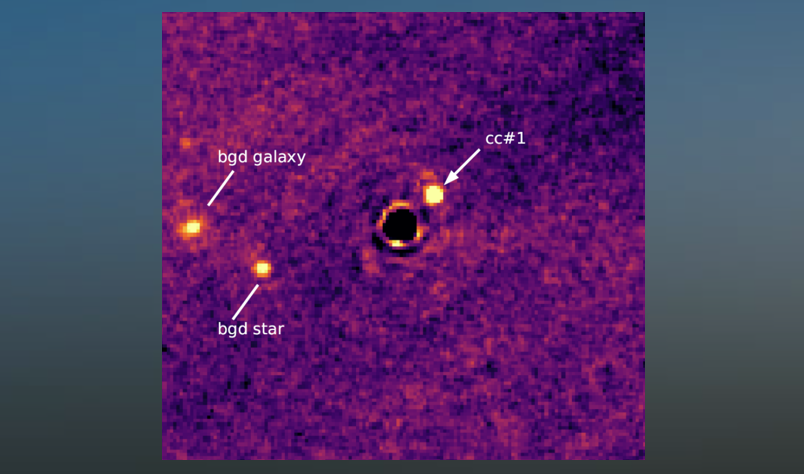
Unveiling a Saturn-Mass Planet in the young TWA7 Disk Using JWST/MIRI
Paper
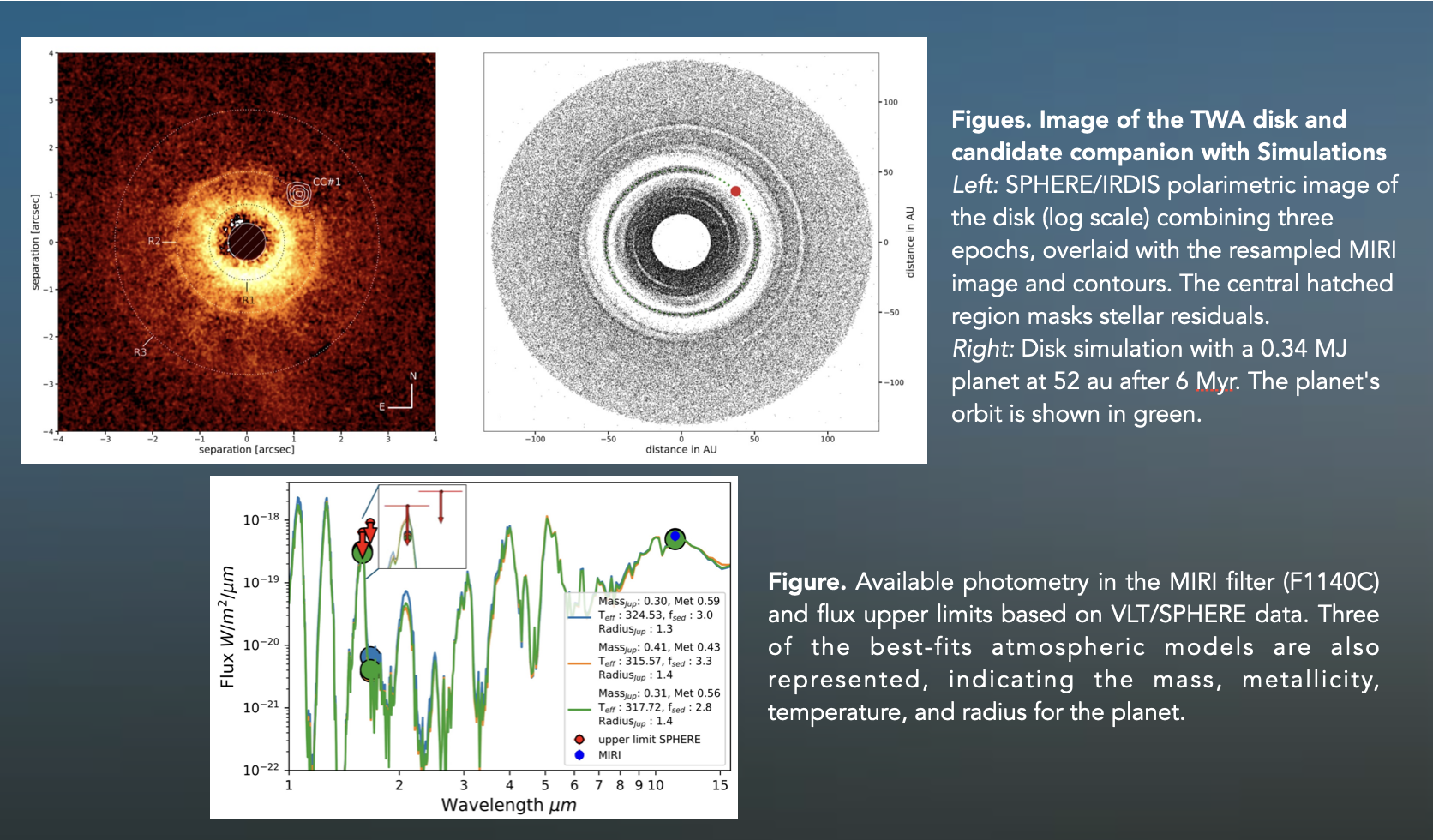
Structures observed in debris disks around stars are often interpreted as indirect evidence of gravitational interactions between planets and unseen planetesimals.
However, imaging these planets has been challenging, as their masses likely fall below the sensitivity limits of current-generation instruments.
Our recent observations of the TWA 7 system as part of
GO 3662 (PI: A.-M.Lagrange)
revealed a point source within its debris disk, which features rings and cavities.
The object's photometry and position, precisely located between the rings, are consistent with a cold, Saturn-mass exoplanet:
this is the lowest-mass directly imaged exoplanet known to date, while also being one of the coldest and youngest.
Although its probability of being a background galaxy is very low (< 0.3%), this planet still needs to be confirmed.
This study was published in Nature.
Science Release (Webb Telescope website)
First unambiguous detection of ammonia in the atmosphere of a planetary mass companion with JWST/MIRI coronagraphs
Paper
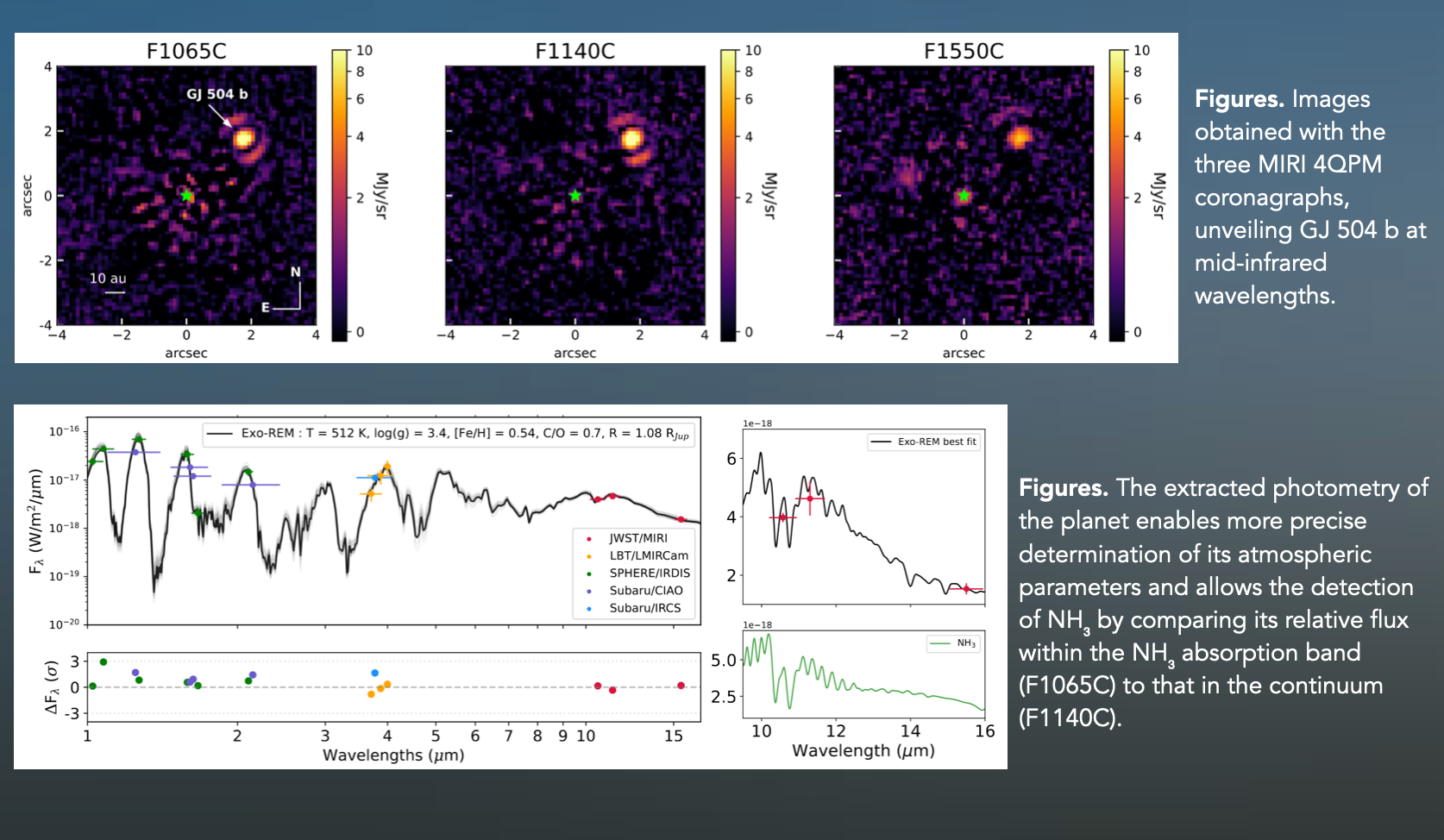
The JWST/MIRI instrument opens a new frontier for characterizing cold exoplanet atmospheres.
Its coronagraphs are designed to detect the key atmospheric feature of NH₃.
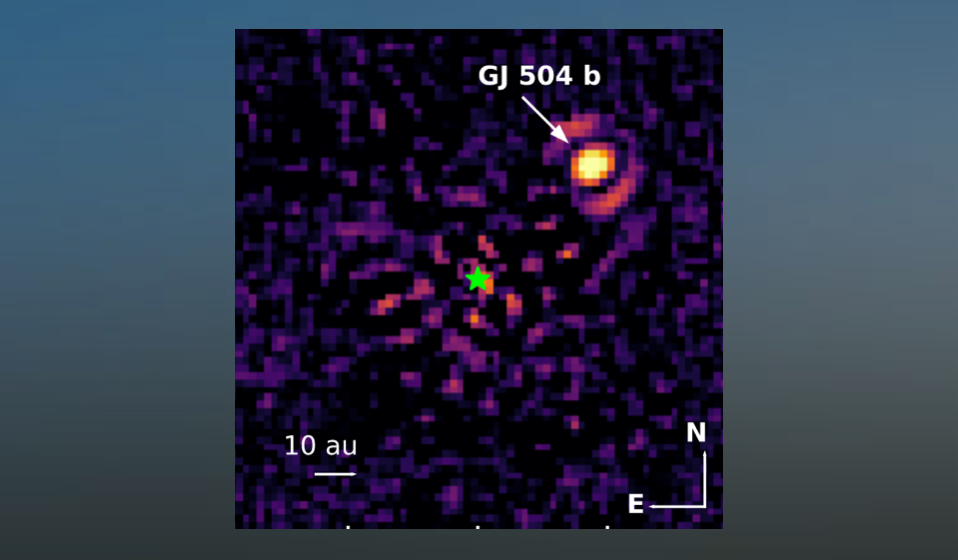
This study focuses on GJ 504 b, one of the coldest directly imaged companions.
We detected the presence of NH₃ with high significance (12.5σ) at a volume mixing ratio of 10−5.3±0.07, as predicted from atmospheric models.
By combining these MIRI observations with archival near-infrared data, we use atmospheric Exo-REM models to refine the atmospheric parameters of GJ 504 b,
determining a temperature of 512±10 K and a radius of 1.08+0.04−0.03 RJup.
These findings align with expectations for a planetary-mass object or brown dwarf and demonstrate the capability of MIRI coronagraphs to enhance our understanding of the atmospheres of cold exoplanets.
Article on LIRA Website (French)
Unveiling the system HD 95086 at mid-infrared wavelengths with JWST/MIRI
Paper
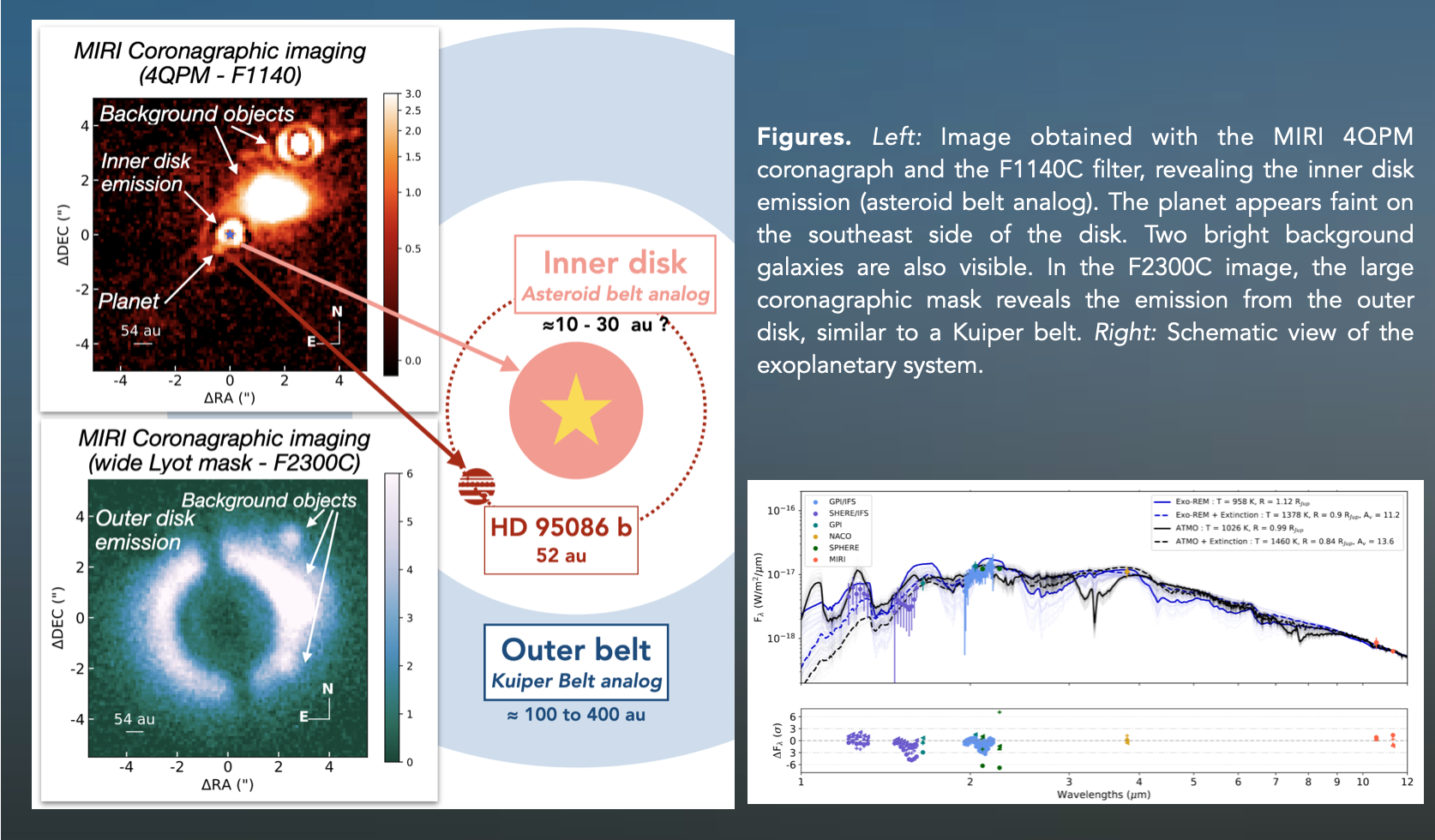
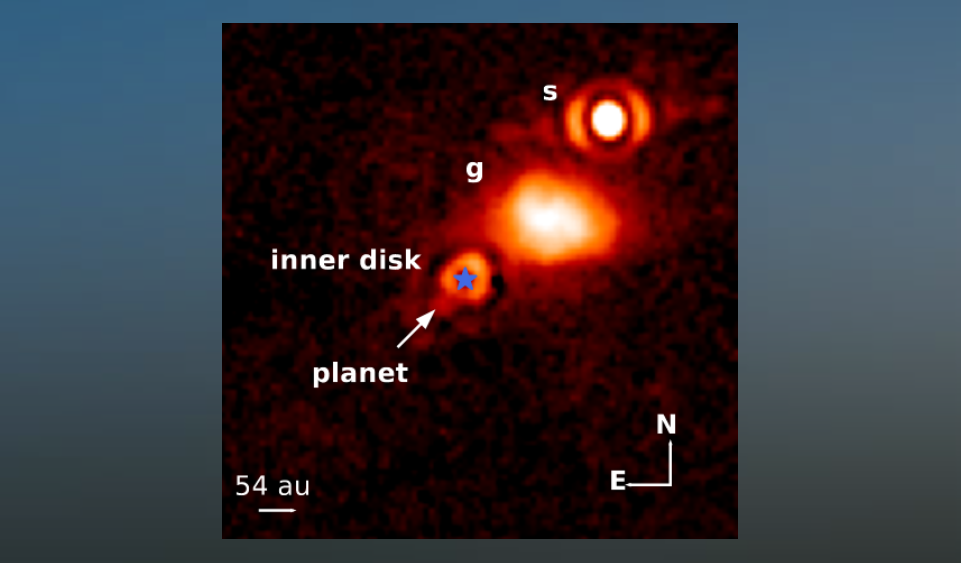
In this study, we analyzed observations of the HD 95086 system with JWST/MIRI using filters centered at 10.5, 11.3, and 23 µm.
The goals were to better characterize the atmosphere of the directly imaged giant planet HD 95086 b and to improve the imaging of its debris disk.
We applied and tested various PSF subtraction techniques tailored to the challenging environment of bright inner dust emission and background objects,
and compared different photometric extraction methods.
The planet is clearly detected at 10.5 and 11.3 µm, and its emission is analyzed using the Exo-REM and ATMO atmospheric models.
The mid-infrared photometry provides improved constraints on its atmosphere, yielding a temperature of 800–1050 K and a radius of 1.0–1.14 RJup.
These values are more consistent with evolutionary models, though still slightly smaller than expected.
We rule out the presence of a warm circumplanetary disk, previously hypothesized to explain the planet’s red near-infrared colors.
For the first time, the inner disk was spatially resolved, showing similarities to HR 8799’s mid-infrared imaging,
while the outer cold belt was imaged at 23 µm. Numerous background sources were identified in all images, including a resolved spiral galaxy.
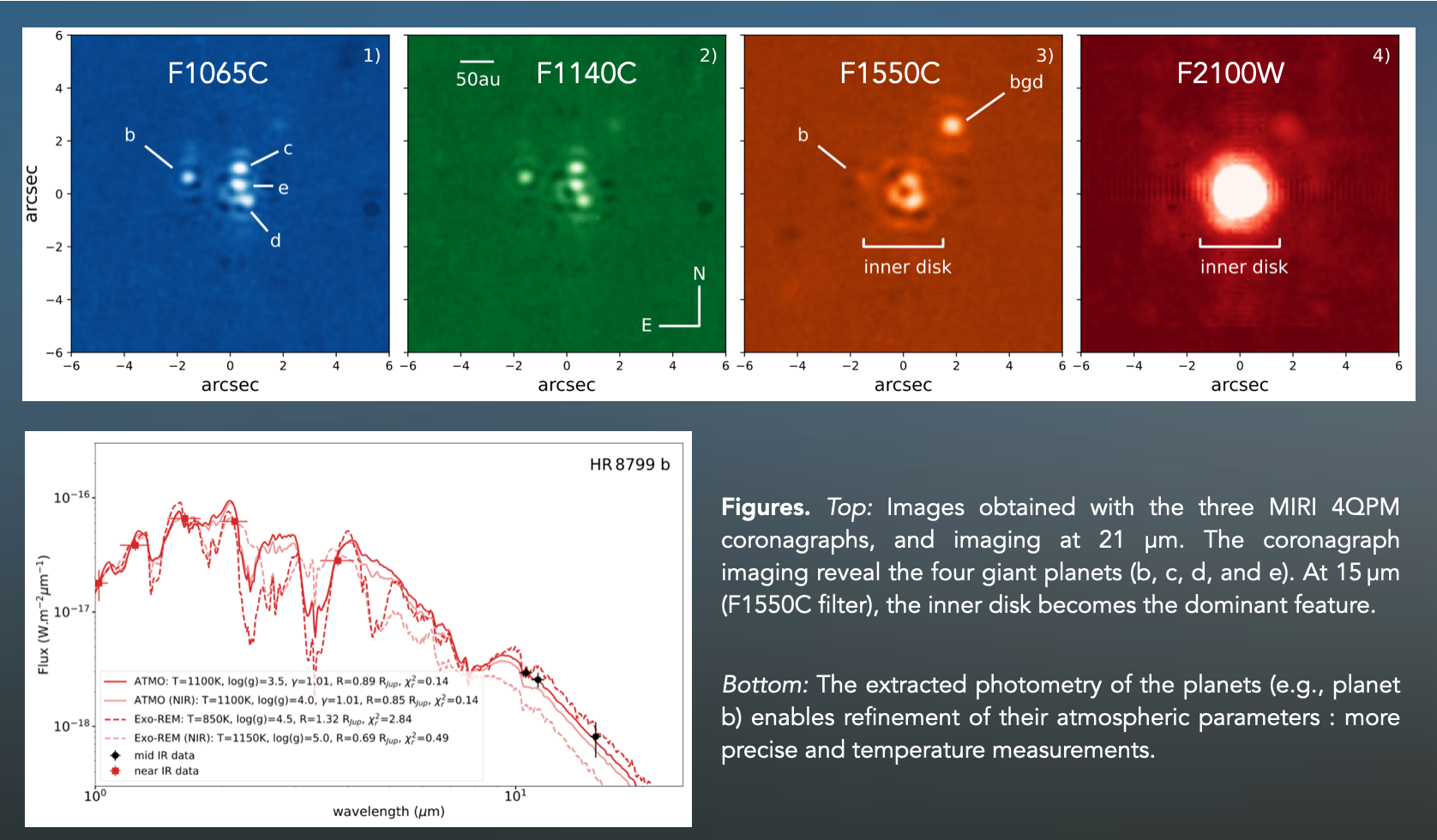
Imaging detection of the inner dust belt and the four exoplanets in HR 8799 with JWST’s MIRI coronagraph
Paper
The JWST's MIRI instrument now enables high-contrast imaging at mid-infrared wavelengths, opening new possibilities for studying young exoplanetary systems.
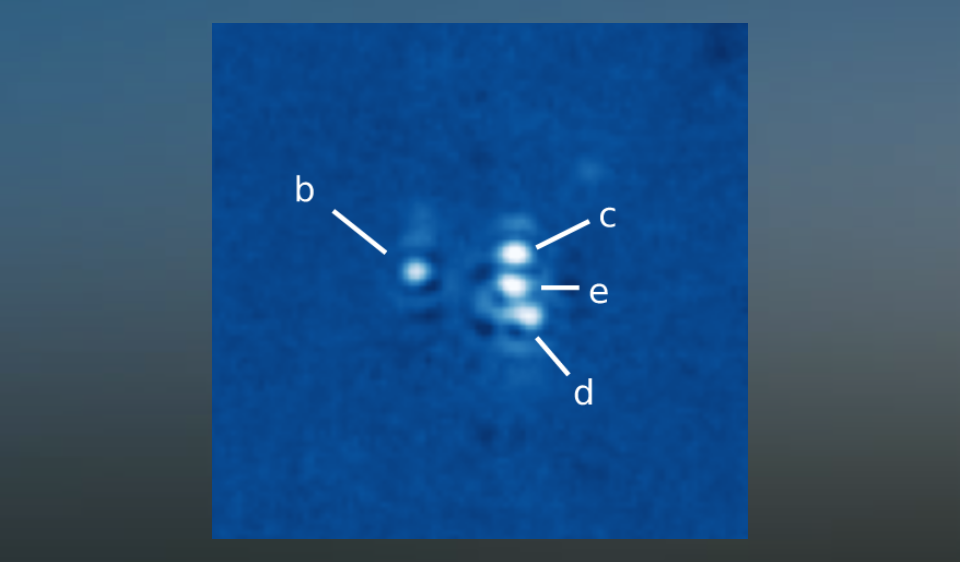
As part of the MIRI GTO exoplanet program, deep coronagraphic and imaging observations of the HR 8799 system were conducted in November 2022 across four filters (10–20 µm).
Our study aimed to extract accurate photometry for the four known planets and investigate circumstellar dust.
To subtract the stellar PSF without significantly affecting planet fluxes, several algorithms and calibration procedures were tested, and adapted for MIRI coronagraphs.
The analysis led to two major results: 1/ The four planets were detected, and their mid-IR fluxes, combined with near-IR data, suggest cooler temperatures and larger radii,
aligning better with evolutionary predictions.
2/ The data revealed the first spatially resolved detection the inner warm debris disk at ~15 au, with flux densities lower than previous Spitzer spectroscopic estimates.
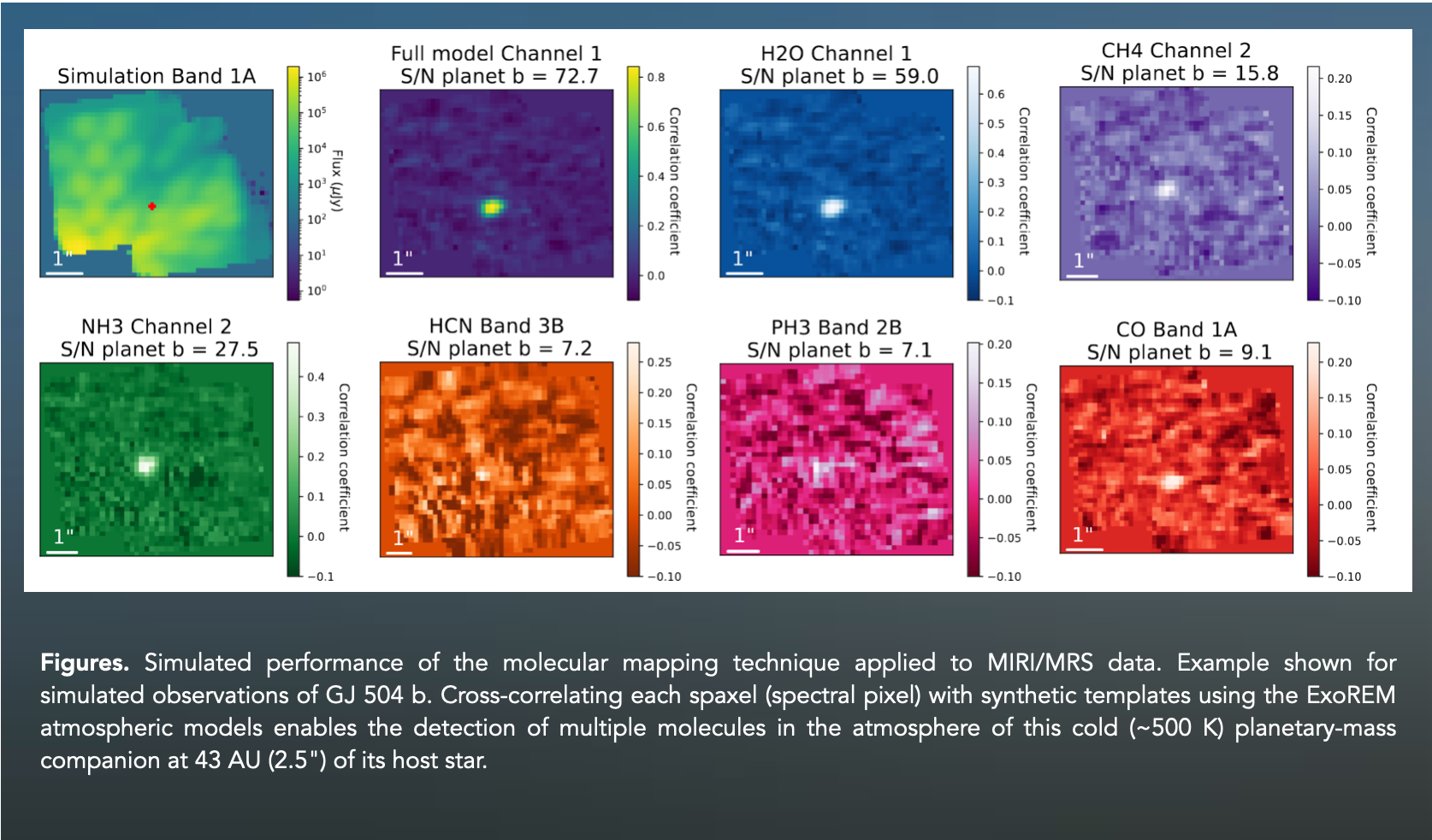
Simulated performance of the molecular mapping for young giant exoplanets with the Medium-Resolution Spectrometer of JWST/MIRI
Paper
In this study, we explore the capabilities of the JWST MIRI/MRS instrument for characterizing exoplanetary atmospheres,
even though it was not originally designed for high-contrast observations.
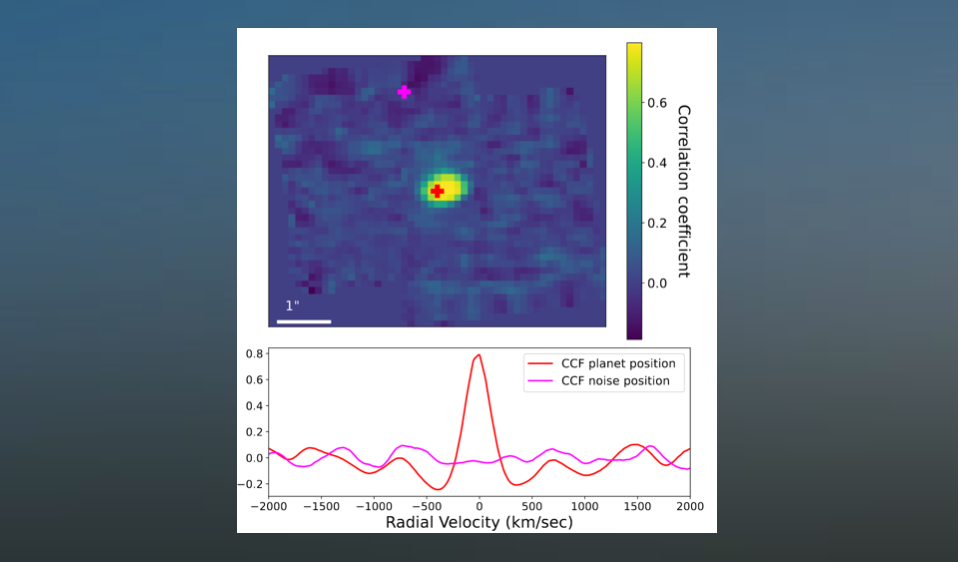
We leverage the molecular mapping technique, based on cross-correlation with synthetic spectra, and adapt it using simulated JWST data.
Our results show that MIRI/MRS, thanks to its integral field spectroscopy, holds strong potential for both detecting and characterizing directly imaged exoplanets.
We demonstrate that MIRI/MRS can detect a range of molecular species, including H₂O, CO, NH₃, CH₄, HCN, PH₃, and CO₂, across various angular separations,
depending on the strength of the molecular signatures and the brightness of the target.
The method proves particularly effective for planets cooler than 1500 K, orbiting bright stars, and at angular separations larger than 1″.
Through the parametric study, we anticipate the ability of MIRI/MRS to characterize exoplanets that will be discovered in the future.
The instrument will give access to molecular species not yet directly detected in exoplanetary atmospheres, such as NH₃.
In particular, detecting temperature-sensitive molecules will help differentiate between competing hypotheses proposed by previous near-infrared studies.
Future measurements of molecular abundance ratios will provide new constraints on the chemical and physical processes driving the formation and evolution of exoplanetary systems.